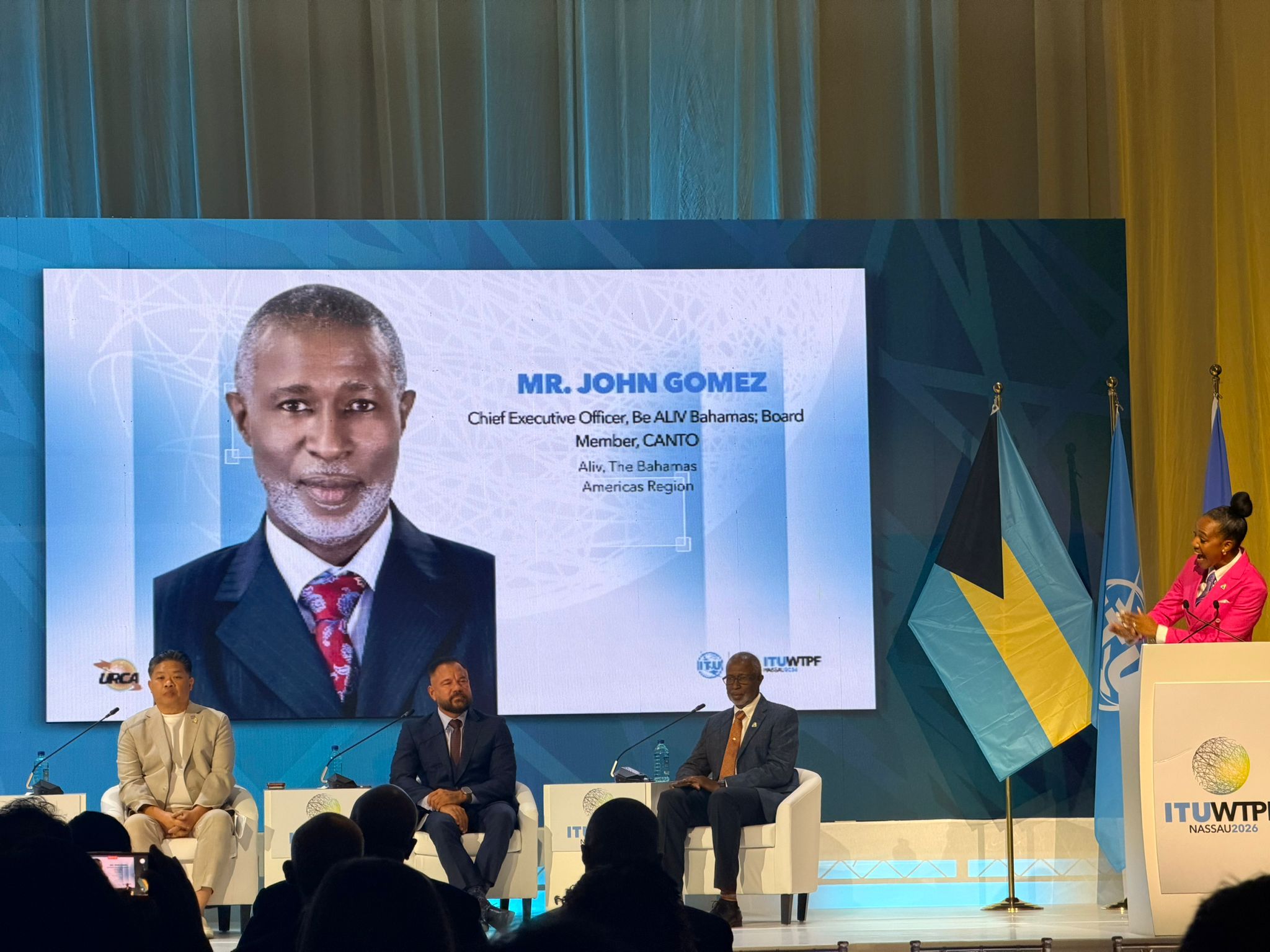
Global conversations about the future of technology can only be truly inclusive when they reflect the realities of every nation, including the small island states whose experiences can often go unnoticed.
For countries like The Bahamas, connectivity is shaped by challenges that are not always fully understood on the global stage. Serving communities dispersed across multiple islands, preparing networks for increasingly severe weather events and balancing infrastructure resilience with the realities of scale all require solutions grounded in lived experience.
That’s why the World Telecommunication/ICT Policy Forum 2026 (WTPF-26) being held in The Bahamas is so significant.

Convened by the International Telecommunication Union, WTPF-26 brings together policymakers, regulators, industry leaders and other stakeholders to exchange perspectives and help shape international approaches to the future of telecommunications and information and communication technology. The Forum explores key issues including digital inclusion, infrastructure resilience, sustainability, emerging technologies and innovation.
For the first time, this global forum is being hosted by a small island state, placing The Bahamas and the experiences of island nations at the centre of discussions about the world’s digital future.
As part of the forum’s strategic dialogue, Chief ALIV Officer John Gomez represented Cable Bahamas during the segment, “From Vision to Action: Steering an Inclusive, Resilient and Sustainable Digital Future.”
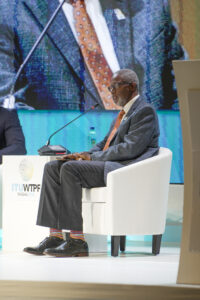
Speaking from the perspective of an operator serving a dispersed island market, Gomez outlined the practical measures that are most important for maintaining service continuity and recovering quickly following disruption:
Design: Building robust networks that identify and eliminate single points of failure from the outset.
Reliability: Creating greater network diversity through multiple fibre paths, landing sites and metro hubs.
Power: Securing consistent and diverse power sources, including solar energy and generators (perhaps the most critical component of network resilience).
Shared resources: Sharing infrastructure such as towers to strengthen connectivity while managing the significant costs faced by operators in small island states.
These considerations may be specific to island markets, but their implications are global. They demonstrate why international strategies cannot rely on a one-size-fits-all approach; why those living and working within these markets must have a voice in shaping the solutions intended to serve them.
John’s participation reinforced Cable Bahamas’ position as a telecommunications thought leader while helping to ensure that the realities of The Bahamas and other island nations are not an afterthought in global policy discussions, but part of the foundation on which a more inclusive and resilient digital future is built.
When Small Island Perspectives Reach the Global Stage